
The Netherlands has become one of the most attractive destinations in Europe for skilled foreign workers, especially Africans seeking better career opportunities, higher salaries, and international work experience. Over the past few years, Dutch companies have struggled to fill labor shortages in several industries, including information technology, engineering, healthcare, logistics, agriculture, and finance. As a result, employers across the Netherlands actively recruit qualified international professionals through visa sponsorship programs.
For many Africans, working in the Netherlands offers more than just a good salary. It also provides access to a stable economy, modern infrastructure, excellent healthcare, career development opportunities, and a high standard of living. Furthermore, the Netherlands has a multicultural society that welcomes skilled immigrants from different parts of the world.
Interestingly, the Dutch government has introduced immigration pathways that make it easier for skilled workers to relocate legally. Consequently, thousands of professionals move to the Netherlands every year through work permits and highly skilled migrant programs.
If you are an African professional planning to work in the Netherlands, this comprehensive guide will explain everything you need to know. In this article, you will learn about:
- Skilled jobs in the Netherlands
- High-demand sectors
- Average salaries
- Visa sponsorship opportunities
- Netherlands work visa process
- Requirements for Africans
- Cost of living
- Best cities for skilled workers
- How to apply successfully
- Permanent residency opportunities
- Common mistakes to avoid
By the end of this article, you will clearly understand how to begin your journey toward working legally in the Netherlands.
Why Skilled Workers Are Needed in the Netherlands
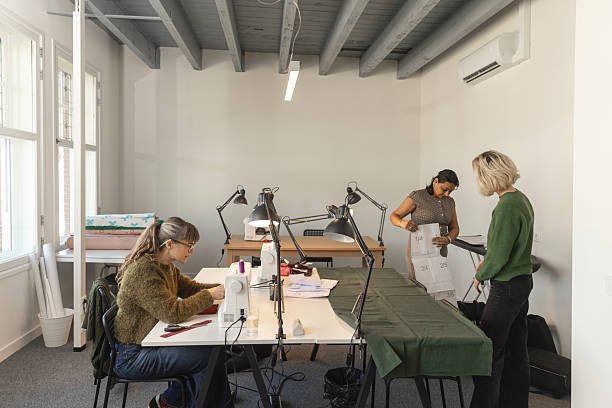
The Netherlands has one of the strongest economies in Europe. However, several industries currently face worker shortages.
1. Aging Population
Many experienced workers are retiring. Therefore, employers need younger skilled professionals to replace them.
2. Expanding Technology Sector
The Dutch technology industry continues to grow rapidly. Consequently, companies require more software developers, engineers, and IT specialists.
3. International Business Environment
The Netherlands hosts many global companies. As a result, businesses recruit talent from around the world.
4. Economic Growth
Infrastructure development, healthcare expansion, and digital transformation continue to increase labor demand.
Benefits of Working in the Netherlands for Africans
There are many advantages to working in the Netherlands as a skilled foreign worker.
High Salaries
Professionals in the Netherlands earn competitive wages compared to many African countries.
Excellent Work-Life Balance
The Dutch work culture supports healthy work-life balance.
Career Growth Opportunities
Employees enjoy opportunities for promotion and professional development.
Legal Immigration Pathways
The Dutch government offers structured visa routes for skilled migrants.
Access to Healthcare
Residents benefit from one of Europe’s best healthcare systems.
Safe and Modern Environment
The Netherlands has excellent transportation, security, and infrastructure.
Top Skilled Job Sectors in the Netherlands
Let us now examine the major sectors hiring skilled foreign workers.
1. Information Technology (IT) Jobs
The Netherlands has become a major European technology hub. Therefore, tech professionals remain highly sought after.
High-Demand IT Jobs
- Software developer
- Cybersecurity specialist
- Cloud engineer
- Data scientist
- AI specialist
- DevOps engineer
- Network administrator
Average Salaries
| Job Role | Average Salary |
|---|---|
| Software Developer | €45,000 – €80,000/year |
| Data Scientist | €50,000 – €90,000/year |
| Cybersecurity Specialist | €55,000 – €95,000/year |
| Cloud Engineer | €60,000 – €100,000/year |
Required Skills
- Programming languages
- Data analysis
- Cloud computing
- Problem-solving
- Technical certifications
Why IT Jobs Are Popular
Many international companies operate in the Netherlands. Consequently, the demand for tech experts continues to increase.
2. Engineering Jobs
Engineering professionals remain essential to the Dutch economy.
Popular Engineering Fields
- Mechanical engineering
- Civil engineering
- Electrical engineering
- Chemical engineering
- Software engineering
Average Salaries
| Job Role | Average Salary |
|---|---|
| Mechanical Engineer | €45,000 – €75,000/year |
| Civil Engineer | €40,000 – €70,000/year |
| Electrical Engineer | €50,000 – €85,000/year |
Responsibilities
- Infrastructure development
- Equipment maintenance
- System design
- Technical project management
3. Healthcare and Medical Jobs
The Dutch healthcare sector constantly requires qualified professionals.
High-Demand Healthcare Jobs
- Registered nurses
- Doctors
- Physiotherapists
- Pharmacists
- Medical laboratory technicians
Average Salaries
| Job Role | Average Salary |
|---|---|
| Registered Nurse | €38,000 – €60,000/year |
| Medical Doctor | €60,000 – €150,000/year |
| Physiotherapist | €40,000 – €65,000/year |
Requirements
- Relevant medical degree
- Professional registration
- Language proficiency
- Work experience
Important Note
Some healthcare jobs may require Dutch language skills.
4. Logistics and Supply Chain Jobs
The Netherlands serves as a major logistics center in Europe because of its ports and transportation networks.
High-Demand Jobs
- Supply chain manager
- Logistics coordinator
- Warehouse operations manager
- Procurement specialist
Average Salaries
| Job Role | Average Salary |
|---|---|
| Logistics Manager | €50,000 – €85,000/year |
| Supply Chain Specialist | €45,000 – €80,000/year |
5. Finance and Accounting Jobs
The Dutch financial sector offers strong opportunities for qualified professionals.
Common Finance Jobs
- Accountant
- Financial analyst
- Auditor
- Investment analyst
- Tax consultant
Average Salaries
| Job Role | Average Salary |
|---|---|
| Accountant | €40,000 – €70,000/year |
| Financial Analyst | €50,000 – €90,000/year |
| Auditor | €45,000 – €80,000/year |
6. Construction and Skilled Trade Jobs
Construction companies continue to hire skilled workers due to infrastructure projects and housing demand.
High-Demand Skilled Trade Jobs
- Electrician
- Welder
- Carpenter
- HVAC technician
- Plumber
Average Salaries
| Job Role | Average Salary |
|---|---|
| Electrician | €40,000 – €65,000/year |
| Welder | €35,000 – €60,000/year |
| Plumber | €40,000 – €70,000/year |
7. Agriculture and Food Technology Jobs
The Netherlands is one of the world’s leading agricultural exporters.
Popular Jobs
- Agricultural engineer
- Food technologist
- Greenhouse specialist
- Farm operations manager
Average Salaries
| Job Role | Average Salary |
|---|---|
| Agricultural Engineer | €40,000 – €70,000/year |
| Food Technologist | €45,000 – €75,000/year |
Best Paying Skilled Jobs in the Netherlands
The following professions rank among the highest-paying careers.
| Profession | Average Salary |
|---|---|
| Medical Doctor | €60,000 – €150,000 |
| Cloud Engineer | €60,000 – €100,000 |
| Data Scientist | €50,000 – €90,000 |
| Software Developer | €45,000 – €80,000 |
| Finance Manager | €60,000 – €120,000 |
Netherlands Highly Skilled Migrant Visa Explained
The Highly Skilled Migrant Program is one of the most popular immigration pathways for foreign professionals.
What Is the Highly Skilled Migrant Visa?
This visa allows Dutch employers to hire qualified foreign workers legally.
Key Features
- Employer sponsorship
- Legal residence permit
- Long-term work opportunities
- Family sponsorship options
Requirements for the Highly Skilled Migrant Visa

Applicants must meet several conditions.
1. Job Offer From a Recognized Sponsor
The employer must be approved by the Dutch Immigration and Naturalisation Service (IND).
2. Minimum Salary Threshold
Applicants must earn a specific minimum salary.
3. Valid Passport
Your passport must remain valid during your stay.
4. Clean Criminal Record
Some applicants may need police clearance certificates.
Salary Requirements for Skilled Migrants
The Dutch government sets minimum salary levels.
| Category | Minimum Monthly Salary |
|---|---|
| Highly Skilled Migrant (30+) | Around €5,300/month |
| Highly Skilled Migrant (Under 30) | Around €3,900/month |
These figures may change yearly.
Step-by-Step Netherlands Work Visa Process
Now let us examine the application process carefully.
1: Search for Skilled Jobs in the Netherlands
First, identify employers offering visa sponsorship.
Popular Job Websites
- Indeed Netherlands
- Glassdoor
- IamExpat Jobs
- Undutchables
Look for:
- “Visa sponsorship available”
- “International applicants welcome”
2: Prepare Your Documents
You will usually need:
- International passport
- Updated CV/resume
- Degree certificates
- Professional certifications
- Passport photographs
- Work experience letters
3: Attend Interviews
Most interviews happen online through:
- Zoom
- Microsoft Teams
- Google Meet
Prepare carefully before interviews.
4: Receive Job Offer
Successful applicants receive:
- Employment contract
- Sponsorship confirmation
5: Employer Applies for Work Permit
The employer often submits the application directly to Dutch immigration authorities.
6: Apply for MVV Visa (If Required)
Some applicants need:
- MVV (provisional residence permit)
7: Travel to the Netherlands
Once approved, you can relocate legally.
Best Cities in the Netherlands for Skilled Workers
Different Dutch cities offer unique career opportunities.
Amsterdam
Best for:
- Technology
- Finance
- International business
Rotterdam
Known for:
- Logistics
- Engineering
- Shipping
Eindhoven
Popular for:
- Technology
- Electronics
- Engineering
Utrecht
Strong opportunities exist in:
- Healthcare
- IT
- Education
Cost of Living in the Netherlands
Before relocating, you should understand living expenses.
| Expense | Average Monthly Cost |
|---|---|
| Accommodation | €700 – €1,800 |
| Food | €250 – €500 |
| Transportation | €80 – €150 |
| Utilities | €100 – €300 |
Amsterdam is usually more expensive than smaller cities.
Can Skilled Workers Bring Their Families?
Yes. Skilled migrants can often relocate with:
- Spouses
- Children
Additionally, spouses may gain permission to work legally.
Permanent Residency in the Netherlands
After several years of legal residence, workers may apply for permanent residency.
Benefits
- Long-term stability
- Freedom from work permit restrictions
- Potential pathway to Dutch citizenship
Language Requirements for Africans
Interestingly, many international companies operate entirely in English. Therefore, some jobs do not require Dutch language skills.
However, learning Dutch provides several advantages:
- Better integration
- More job opportunities
- Easier communication
How Africans Can Increase Their Chances of Getting Hired
Competition for international jobs can be high. Therefore, preparation is important.
Improve Your CV
Use professional European-style formatting.
Gain International Certifications
Professional certifications improve employability.
Build LinkedIn Presence
Many recruiters search candidates online.
Apply Consistently
Do not stop after a few applications.
Improve English Communication
Strong communication skills increase confidence during interviews.
Common Mistakes to Avoid
Using Fake Documents
This can lead to visa rejection or bans.
Ignoring Job Requirements
Always apply only when qualified.
Falling for Scams
Avoid fake agents promising guaranteed jobs.
Poor Interview Preparation
Research employers before interviews.
Challenges Africans May Face in the Netherlands
Although the Netherlands offers many benefits, immigrants may experience certain challenges.
Weather
Dutch winters can feel cold and rainy.
Housing Shortages
Accommodation can be difficult to secure in major cities.
Cultural Differences
Adapting to Dutch work culture takes time.
High Living Costs
Some cities are expensive.
However, many Africans eventually settle successfully and enjoy stable careers.
Industries With the Highest Demand in 2026
The following sectors are expected to remain highly active:
| Sector | Demand Level |
|---|---|
| Information Technology | Very High |
| Healthcare | Very High |
| Engineering | High |
| Logistics | High |
| Construction | High |
Best Websites for Skilled Jobs in the Netherlands
International Job Platforms
- Indeed Netherlands
- Glassdoor
- Monsterboard
Expat Job Websites
- IamExpat Jobs
- Undutchables
Tips for Successful Relocation
Save Emergency Funds
Relocation expenses can be significant.
Research Dutch Culture
Understanding workplace culture helps adaptation.
Arrange Accommodation Early
Housing demand remains high.
Learn Basic Dutch
Even simple phrases can help daily life.
Frequently Asked Questions
Can Africans Get Skilled Jobs in the Netherlands?
Yes. Many Africans work legally in Dutch companies.
Do Dutch Employers Sponsor Foreign Workers?
Yes. Many companies sponsor highly skilled migrants.
Is IELTS Required?
Some employers may request proof of English proficiency.
Can Skilled Workers Become Permanent Residents?
Yes. Long-term legal residents may qualify for permanent residency.
Which Jobs Pay the Most?
Technology, healthcare, engineering, and finance jobs often offer the highest salaries.
Final Thoughts
The Netherlands continues to provide excellent opportunities for skilled African professionals seeking better salaries, career growth, and international work experience. Due to labor shortages across healthcare, technology, logistics, engineering, finance, and construction sectors, Dutch employers actively recruit skilled foreign workers through visa sponsorship programs.
Moreover, the Highly Skilled Migrant Program has simplified legal immigration pathways for qualified professionals. Therefore, Africans with valuable skills and experience can successfully relocate and build rewarding careers in one of Europe’s strongest economies.
However, success requires proper preparation. You should improve your CV, strengthen your professional skills, apply consistently, and avoid immigration scams. Additionally, learning basic Dutch language skills can improve your integration and employment opportunities.
Most importantly, many Africans have already built successful careers and stable lives in the Netherlands. With determination, patience, and the right strategy, you can also achieve your dream of working and living legally in the Netherlands.
Leave a Reply